
About Moscow
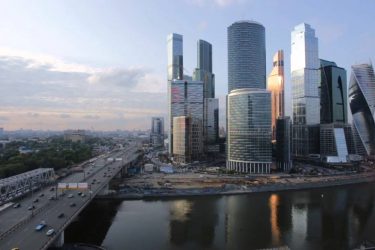
Moscow is the capital of Russian Federation. The city area is about 30 km in diameter and the population reaches to almost 10 million people. Nowadays Moscow is the most important political and financial center of Russia and is home to the government and the parlament. It’s the city with the most money in Russia and the third biggest budget in the world. It’s where all Russia’s tensions and inequalities meet to coexist, producing a unique feeling of a city that looks European but feels somewhat Asian in its mood and intensity.
Where Is Moscow?
Getting Around the City
Moscow has a radial structure, and the Garden Ring road defines the center of the city. A smaller Boulevard Ring defines the city’s downtown.
To be able to find the right building on any street, it’s useful to know that in Moscow house numbering starts from the center. Also, the odd-number houses are located to the left, and the even-number houses – to the right. So, if you’re looking for Tverskaya st., #2, for example, it will be located very close to the Kremlin (which is the most central place in Moscow), on your right-hand side (if you turn your back to the Kremlin).
Climate in Moscow


REAVIZ Medical University © 2002-2026